Signs of a Water Leak Behind a Wall (and What to Do)
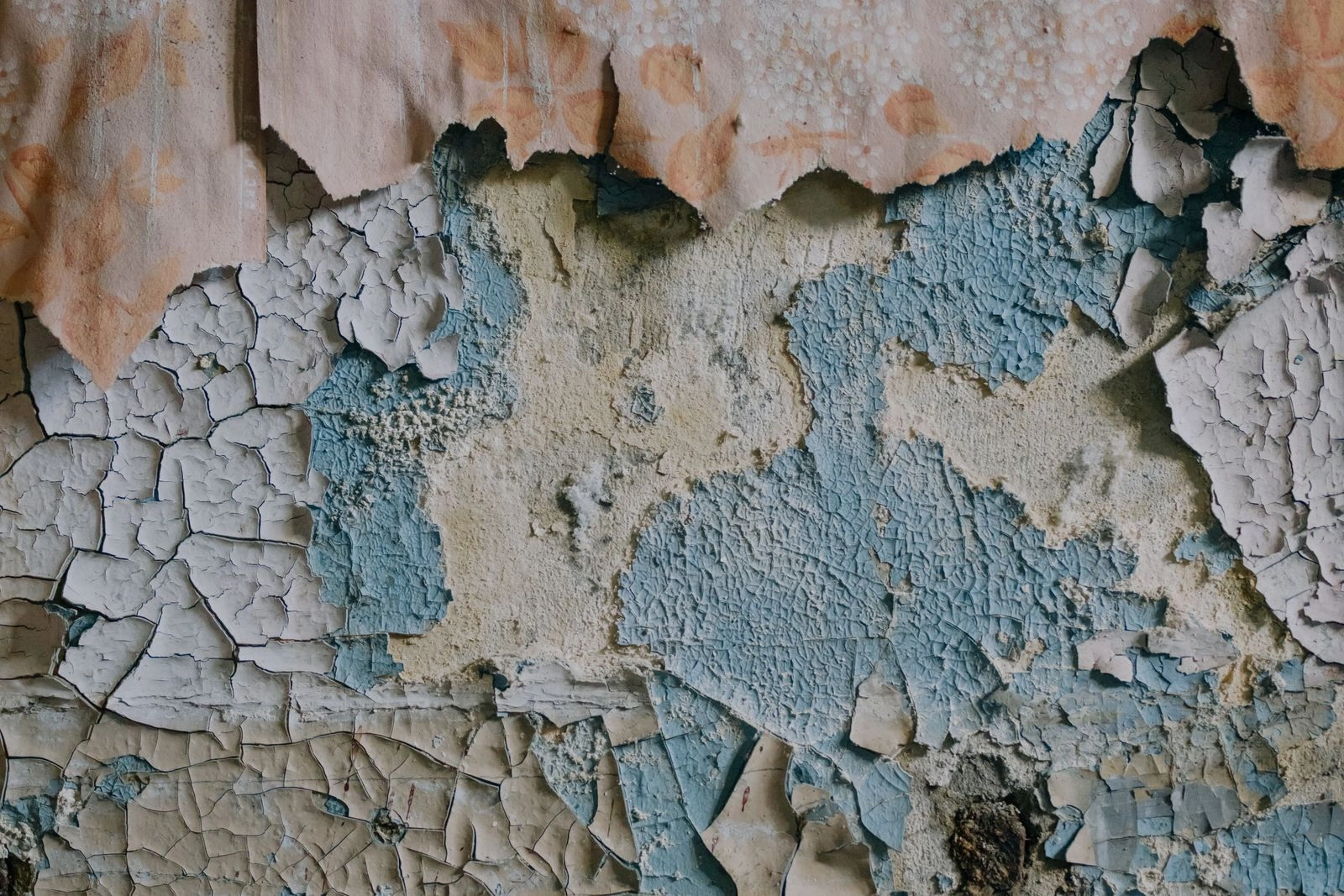
A leak inside a wall usually shows up as small changes before it shows up as water: a stain that slowly grows, paint that bubbles, a baseboard that swells, a cool damp spot or a musty smell in one room. Your water meter can confirm a hidden supply leak in about two hours, and a moisture meter shows how far the water has spread.
Key takeaways
- Watch for stains, bubbling paint, swollen baseboards, soft or bulging drywall, cool damp spots and a musty smell.
- EPA’s meter test: if the meter moves during two hours with no water use, you probably have a leak.
- Drywall can look fine on the front while the back is wet or moldy.
- Shut off the water, document everything and get the wall cavity dried within 24 to 48 hours.
Visible signs of a leak inside a wall
- Stains or discoloration on drywall or ceilings, often yellow or brown and growing over time
- Bubbling, peeling or blistering paint or wallpaper
- Swollen, warped or separating baseboards
- Soft, bulging or crumbling drywall that gives when you press it
- A sagging or stained ceiling below a bathroom or upstairs plumbing
- Damp carpet or flooring along the bottom of a wall with no spill nearby
- Cracked grout or loose tile on a shower wall
- Mold or mildew spots at the base of a wall or around fixtures
EPA warns that the front of wallboard can look fine while the back side is covered with mold, so a small visible sign can mean a bigger problem inside.
Signs you can’t see
A musty smell
EPA says you may suspect hidden mold if a room smells moldy but you can’t see the source. In a home, that often means water inside a wall or under flooring.
A cool or damp spot
Wet drywall feels cooler than the wall around it. Running your hand along the wall can find a spot worth checking with a meter.
A higher water bill
EPA WaterSense notes that the average household’s leaks waste more than 9,300 gallons a year, and that a family of four using more than 12,000 gallons a month in winter probably has a serious leak.
Running water or lower pressure
Hearing water moving in a wall when nothing is on, or noticing weaker flow at nearby fixtures, can point to a pressurized supply leak.
Water damage right now?
We answer 24 hours a day, 7 days a week, across Murrieta 92562 and 92563.
Call (951) 364-1418Common sources of leaks inside walls
- Supply lines and fittings behind sinks, toilets and showers
- Shower valves and failed grout or caulk that let water behind the tile
- Drain lines, which only leak when water is running
- Washing machine, dishwasher, refrigerator and water heater connections
- Condensation on cold pipes in humid conditions. EPA notes condensation can be a sign of high humidity.
- Water entering from outside through roof flashing or around windows
If the stain gets worse after rain, suspect the roof or a window. If it grows when a nearby fixture runs, suspect plumbing.
How to check with your water meter
- Turn off every faucet and water-using appliance, indoors and out, including irrigation.
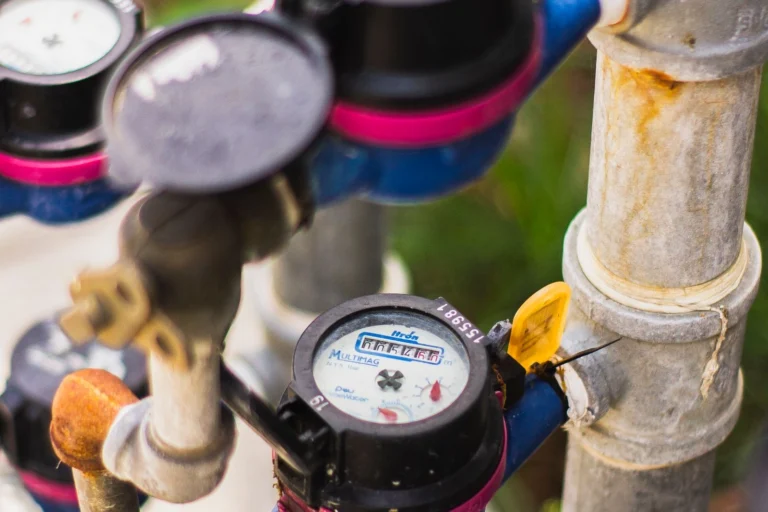
- Note the meter reading and the leak indicator, the small dial or triangle on the meter face. On digital meters, look for a flashing symbol.
- Wait two hours without using any water.
- Read the meter again. EPA says if it has changed at all, you probably have a leak.
To rule out the toilet, EPA suggests putting a few drops of food coloring in the tank. If color shows in the bowl after 10 minutes without flushing, the flapper is leaking. A meter test only finds pressurized supply leaks; drain leaks won’t show up on it.
How professionals find the leak
EPA notes that moisture meters are useful for measuring moisture in building materials. Pin meters measure inside the material and pinless meters scan the surface without holes. Restoration crews pair them with thermal imaging cameras, which show the cooler pattern of wet materials, to map how far water spread inside a wall so only the wet sections are opened. A plumber then repairs the pipe.
What to do if you find a leak
- Shut off the water to the fixture, or at the main if you can’t isolate it.
- Take photos of every sign before anything is moved.
- Call a plumber to repair the pipe and a restoration company to dry the wall.
- Dry the wall cavity quickly. EPA advises drying water-damaged areas within 24 to 48 hours to prevent mold.
Health risks of a hidden leak
The CDC says mold can cause a stuffy nose, sore throat, coughing or wheezing, burning eyes or skin rash, and people with asthma or a mold allergy may have severe reactions. A leak inside a wall can feed mold for weeks before anyone sees it, which is why the smell and the meter test are worth acting on.
Does insurance cover a leak behind a wall?
The California Department of Insurance notes that homeowners policies do not cover flood damage but do cover other kinds of water damage. Coverage usually turns on whether the leak was sudden or went on for a long time; the Washington insurance regulator explains that long-term leaks are often excluded. Photos, the plumber’s report and moisture readings help the adjuster see what happened.
Hidden leaks in Murrieta homes
In Murrieta
Murrieta homes get water from one of four providers, depending on the neighborhood: Western Municipal Water District, Eastern Municipal Water District, Elsinore Valley Municipal Water District or Rancho California Water District. Your bill shows which one serves you. EMWD’s leak page describes the same check: turn off all water, and if the meter’s leak indicator moves, water is passing through the meter. In two-story homes, a leak in an upstairs wall often shows up first as a stain on the ceiling below.
Leak behind a wall FAQs
How do you tell if there is a leak behind a wall?
Look for stains, bubbling paint, swollen baseboards, soft drywall, cool damp spots and a musty smell, then do a two-hour water meter test with all water turned off.
Is there a device that can detect water behind drywall?
Yes. Pinless moisture meters scan through the surface, pin meters measure inside the board, and thermal imaging cameras show the cooler pattern of wet materials.
How do you tell if a water line is behind a wall?
Supply and drain lines usually run behind or above fixtures such as sinks, toilets, showers and the washer. Some stud finders also detect metal pipes, and a small inspection opening confirms what is there.
How much does it cost to fix a leak behind a shower wall?
It depends on whether the leak is in the valve, the supply line or the tile and grout, and how much wall and tile has to be opened. Drying and rebuilding the wall add to the plumbing repair.
Does homeowners insurance cover water leaks in walls?
A sudden leak, such as a burst supply line, is generally covered. Leaks that went on slowly for a long time often aren’t. Check your policy.
Think water is inside a wall?
We find it with moisture meters and thermal imaging and dry it out. Call any time, day or night.
Call (951) 364-1418