Slab Leak Signs: How to Spot a Leak Under Your Floor
A slab leak is a leak in a water or drain line running under or through a concrete slab floor. Because the pipe is out of sight, the first signs are usually indirect: a water bill that jumps, a water meter that moves when nothing is on, a warm or damp spot on the floor, cracks, or the sound of running water when the house is quiet. A slab leak won’t fix itself, and the water keeps flowing until the line is repaired.
Key takeaways
- The water meter test is the simplest way to confirm a hidden supply leak.
- Warm spots on the floor can point to a hot water line leak under the slab.
- EMWD says leaks on the customer side of the meter are the customer’s responsibility.
- Insurance generally treats the resulting water damage separately from the pipe repair.
Common slab leak signs
- A higher water bill with no change in how you use water
- A water meter that moves with every faucet and appliance off
- Warm or cool spots on the floor, from a leaking hot or cold water line
- Damp carpet, swollen flooring or stains with no spill or fixture nearby
- Cracks in floors, baseboards or walls, uneven floors or doors that start to stick
- Water pooling outside near the foundation when it hasn’t rained or irrigation is off
- The sound of running water when nothing is on
- Low water pressure at faucets
- A musty smell or mold along the base of walls
Any one of these can have another cause. Two or three together, plus a moving meter, make a slab leak likely.
What causes slab leaks
- High water pressure. The California Plumbing Code requires a pressure regulator when street pressure exceeds 80 psi, as the City of San Diego explains, and regulators are the homeowner’s to maintain.
- Ground movement. The City of Murrieta’s General Plan notes expansive clay layers in parts of the city and that the Elsinore fault zone runs through it. Soil that swells, shrinks or shifts puts stress on pipes in and under a slab.
- Pipe wear and corrosion. Pinhole leaks in copper are a known problem, though Virginia Tech research notes there is no single accepted cause.
- Construction defects such as pipes kinked, nicked or rubbing against concrete or rebar.
Water damage right now?
We answer 24 hours a day, 7 days a week, across Murrieta 92562 and 92563.
Call (951) 364-1418How to check your water meter
Eastern Municipal Water District explains the test on its leak information page:
- Turn off all faucets and water-using appliances, indoors and out.
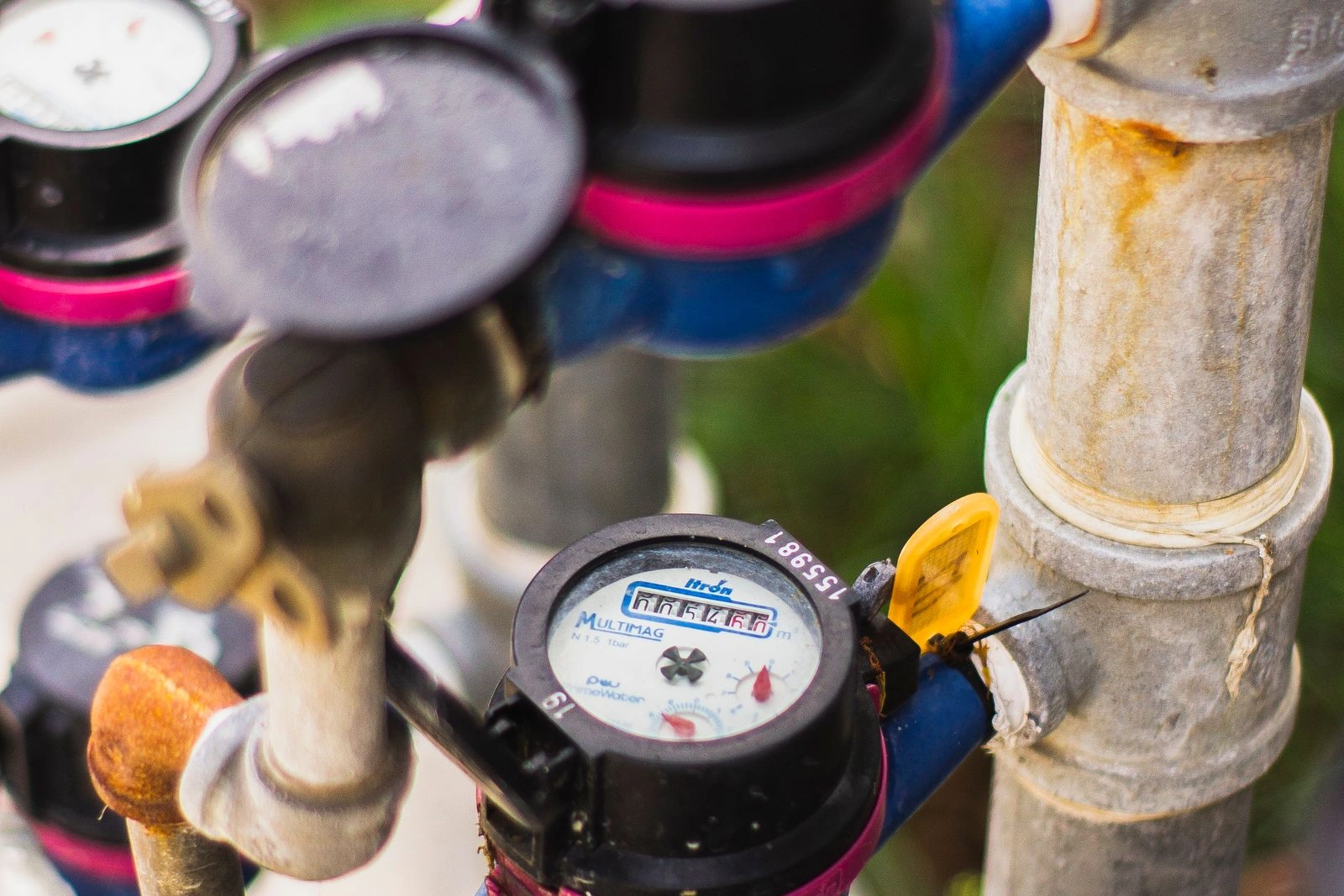
- Find the meter’s leak indicator, a small dial below the reading dials. On digital meters, look for a flashing plus or minus sign.
- If the indicator is moving with everything off, water is passing through the meter somewhere on your side.
EPA WaterSense suggests reading the meter before and after two hours with no water use. To narrow it down, shut off the main valve at the house. If the meter stops, the leak is inside the house, which can include the slab. If it keeps moving, the leak may be in the line between the meter and the house or in irrigation.
Before blaming the slab, rule out the common look-alikes EPA WaterSense lists: a running toilet (put food coloring in the tank and check the bowl after 10 minutes), dripping faucets and showerheads, the refrigerator ice maker line, and irrigation.
How plumbers find the leak
Leak detection specialists pressure-test the lines to confirm which one is leaking, then locate it from above the floor with acoustic listening equipment, which picks up the sound of escaping water, and thermal imaging for hot lines. Drain lines are checked with a camera. The goal is to open the floor only at the leak, or not at all.
Repair options
- Spot repair: cutting through the slab at the leak and repairing that section of pipe.
- Reroute: abandoning the leaking line under the slab and running a new line through walls or the attic.
- Repipe: replacing the home’s supply lines, usually considered when leaks keep recurring.
- Epoxy pipe lining: coating the inside of the pipe. An ICC-ES evaluation report for one epoxy lining product states that all leaks must be repaired before coating, so lining is not a fix for an active leak by itself.
The plumber’s recommendation depends on where the leak is, the pipe material and age, and whether it’s the first leak or one of several.
What happens if you ignore it
EPA WaterSense notes the average household’s leaks waste more than 9,300 gallons a year, and 9 percent of homes have leaks wasting 50 gallons or more a day. Under a slab, that water also soaks into carpet pad, wood and laminate flooring and the bottom of drywall, can saturate the soil under the foundation, and feeds mold. EPA advises drying water-damaged materials within 24 to 48 hours to prevent mold.
What to do if you suspect a slab leak
- Do the meter test and note the results.
- If water is surfacing or the meter is spinning fast, shut off the main valve until the plumber arrives.
- Call a plumber who does leak detection to locate the leak.
- If water is coming up into flooring or carpet, get it extracted and the floor dried to stop it spreading.
- Take photos and keep your water bills. Some water districts, including EMWD, offer a concealed leak adjustment on the bill.
Slab leaks and water damage
Once the pipe is repaired, the slab and everything on it have to be dried. Concrete holds water and dries slowly, so slab drying often sets how long the whole job takes, and flooring shouldn’t go back down until readings confirm it is dry.
Does insurance cover slab leaks?
The California Department of Insurance notes homeowners policies typically cover sudden and accidental water damage, while damage from seepage or long-term leaks and from wear and tear is generally excluded. It also gives the example that insurance pays to fix the damaged wall and floor while the failed fixture itself is a repair item. Report the leak promptly and keep the leak detection report, photos and bills.
Slab leaks in Murrieta
In Murrieta
Census data shows nearly 90 percent of new single-family homes in the Pacific region are built on slabs, and most Murrieta homes were built in 1990 or later. The city’s General Plan notes expansive clay soils in parts of Murrieta and the Elsinore fault zone running through it, both of which can stress pipes in and under slabs. EMWD and Western Water both describe the meter check, and EMWD notes leaks on the customer side of the meter are the customer’s responsibility.
Slab leak FAQs
How do I know if I have a slab leak?
A moving water meter with everything off, a higher bill, warm or damp spots on the floor, new cracks and the sound of running water are the most common signs.
What causes slab leaks?
High water pressure, ground movement, pipe corrosion and construction defects are common causes. Expansive soils and seismic activity can add stress in parts of Southern California.
Can a slab leak fix itself?
No. The leak continues until the line is repaired, and the water under the floor keeps spreading.
How expensive is it to fix a slab leak?
It depends on the repair method, how easy the pipe is to reach and how much flooring has to be removed and dried. Some policies cover tearing out and replacing the floor to reach the leak separately from the pipe repair, so check your policy.
How urgent is a slab leak?
Treat it as urgent. Water keeps flowing under the floor, raising your bill and soaking flooring and walls, and EPA advises drying water damage within 24 to 48 hours to prevent mold.
Will homeowners insurance cover a slab leak?
Damage from a sudden leak is often covered, while long-term leaks and the pipe repair itself may not be. It depends on your policy, so report it promptly.
Water coming up through the floor?
We extract it and dry the slab and flooring. Call any time, day or night.
Call (951) 364-1418