Toilet Overflow Cleanup: When Is It Category 3?
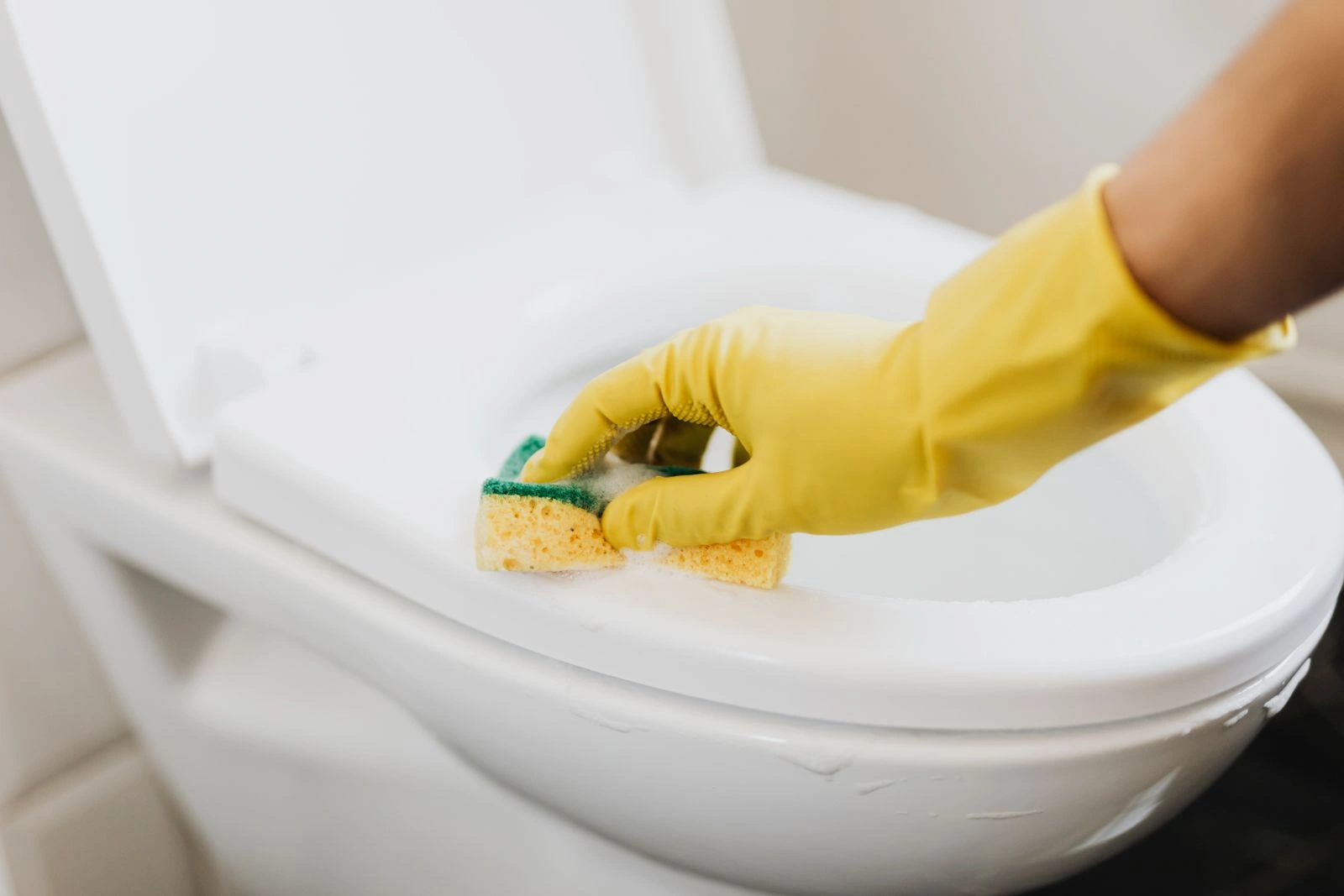
Not every toilet overflow is a sewage cleanup. Water from the tank is usually clean, a bowl overflow with urine is Category 2, and anything with feces, or anything that backs up from beyond the toilet trap, is Category 3 and needs to be handled as sewage. Stop the water first, then clean, disinfect and dry based on what overflowed.
Key takeaways
- Stop the flow at the tank or the shutoff valve, and don’t flush again.
- Tank water is usually Category 1, a urine-only bowl overflow is Category 2, and feces or backflow from the sewer line is Category 3.
- A toilet that overflows without being flushed often points to a blocked main line.
- Carpet and other porous items soaked by Category 3 water are removed, not cleaned.
How to stop a toilet from overflowing
- Don’t flush again. Plumbing manufacturer Oatey warns that flushing repeatedly can make a backup worse.
- Stop the tank from refilling. Take off the tank lid and press the flapper closed or lift the float to stop the fill valve.
- Shut off the water. Turn the valve behind the toilet clockwise.
- If water is coming up from the drain, stop using water everywhere in the house. That is a sewer line problem, not a toilet problem.
- Take photos of the water and damage before anything is moved.
Clean, gray or black water?
Category 1: tank, supply line or clean bowl water
A cracked tank, a failed fill valve or a bowl with no contaminants releases clean water, as long as there are no cleaning tablets or additives in it.
Category 2: bowl with urine
An overflow from the bowl, on the room side of the trap, with urine but no feces. It needs cleaning and sanitizing, and carpet pad is usually replaced.
Category 3: feces or backflow
Any overflow with feces, and any backflow from beyond the trap regardless of how it looks. University water damage guidelines based on the IICRC standard treat these as black water.
Water damage right now?
We answer 24 hours a day, 7 days a week, across Murrieta 92562 and 92563.
Call (951) 364-1418Why toilets overflow
- A clog in the toilet or its drain. Oregon State University Extension notes toilet drains are usually blocked by materials other than toilet paper, such as wet-strength tissues and paper towels. EMWD warns that “flushable” wipes can stay intact for years and block sewer lines.
- A worn flapper or fill valve. EPA WaterSense says flappers should be checked periodically and replaced at least every five years.
- A blocked or damaged main sewer line. Tree roots, grease and a collapsed line can back wastewater up into the lowest drain in the house.
How to unclog it
Oatey recommends a flange plunger for toilets and having a toilet (closet) auger ready if plunging doesn’t clear it. It does not recommend chemical drain cleaners for toilets. If the clog won’t clear, or other drains are also backing up, call a plumber for the line.
Can a toilet overflow without being flushed?
Yes. When the sewer line is blocked, wastewater backs up and pools at the lowest drain in the house, such as a floor drain, toilet or shower. If the toilet fills on its own, or a shower drain gurgles when you flush, stop using water and call a plumber. That is a sewer backup, and the cleanup is Category 3.
How to clean up after a toilet overflow
For Category 2 or 3 water, health department guidance calls for rubber boots, gloves, eye protection and an N95 mask. Then:
- Keep children and pets out, and don’t run fans until the area is cleaned. EPA advises against fans on contaminated water.
- Remove solid waste and extract or mop up the water.
- Wash hard surfaces with a non-ammonia cleaner, then disinfect. Wisconsin’s health department says to clean first, since disinfectants work on clean surfaces.
- Use a bleach solution of no more than 1 cup of chlorine bleach per gallon of water, as Illinois’ health department advises. Many health departments suggest less, such as 1/4 cup per gallon. Never mix bleach with ammonia.
- Wash sewage-contaminated clothes and towels separately in hot water with detergent.
- Clean or throw out the mop and bucket afterward.
- Dry the area within 24 to 48 hours. EPA advises that window to prevent mold growth.
What has to go after a Category 3 overflow
Sewage carries bacteria, viruses and parasites. University guidelines say carpet wet with Category 3 water for any amount of time is removed, and wet insulation comes out. Health department guidance adds:
- Mattresses, upholstery, paper and other soft items soaked by sewage should generally be thrown away
- Drywall should come out where it was soaked
- Studs and framing can usually stay once they are cleaned, disinfected and dried
Check hidden areas too. Water runs under vanities and cabinets, under vinyl or laminate flooring and into the subfloor, where it stays wet unless it is found with a moisture meter.
When to call a professional
A small tank-water or urine-only overflow that stayed on tile can usually be cleaned yourself. Call a professional when the water reached carpet, baseboards, cabinets or drywall, when it soaked through to a ceiling below, or when it contains feces or came up from the drain.
Is a toilet overflow covered by insurance?
State insurance regulators note that a sudden discharge from plumbing is generally covered, although the failed part itself isn’t. Sewage that comes in through drains is a sewer or water backup, which many policies cover only with an added endorsement. Check your declarations page, and take photos before anything is removed.
Toilet overflows in Murrieta homes
In Murrieta
In two-story homes, an upstairs toilet overflow can come through the ceiling of the room below, so ceiling drywall and insulation need checking too. A sewer backup usually shows up first at the lowest drain in the house, often a ground-floor shower, tub or toilet. EMWD, which serves much of western Riverside County, asks customers not to flush wipes or pour fats, oils and grease down drains, because they harden and block lines.
Toilet overflow FAQs
Can a toilet overflow without being flushed?
Yes. A blocked sewer line can push wastewater up through the lowest drain in the house, often a ground-floor toilet or shower. That is a sewer backup and is treated as Category 3.
Is an overflowing toilet a biohazard?
It depends on the source. Clean tank water is not. An overflow with feces, or water backing up from beyond the trap, is Category 3 and should be handled as sewage.
What is the likelihood of mold after a toilet overflow?
Mold can grow if materials stay wet. EPA advises drying water-damaged areas within 24 to 48 hours to prevent it, so check under vanities, flooring and the ceiling below.
What if plunging doesn’t work?
Try a toilet auger. If that fails, or other drains are backing up too, the problem is likely in the main line and needs a plumber.
Does homeowners insurance cover a toilet overflow?
A sudden overflow is generally covered. A sewer backup through the drains often needs a water or sewer backup endorsement. Check your policy.
Toilet overflow soaked the floor or ceiling?
We clean, disinfect and dry it safely. Call any time, day or night.
Call (951) 364-1418