24/7 water damage help in Murrieta, CA | Serving 92562 & 92563
24/7 water damage help in Murrieta, CA | Serving 92562 & 92563
Services
A sewage backup is not a mop-and-bucket job. The water carries bacteria and viruses, it soaks into anything porous, and the smell spreads through the house within hours. Murrieta Flood Damage contains the area, removes the sewage and contaminated materials, disinfects what stays and dries the structure, for homes and businesses across Murrieta’s 92562 and 92563 ZIP codes.
How can we help?
We answer 24 hours a day, 7 days a week.
Overview
Good to know
We don't clear or repair sewer lines. A plumber clears the line, often through the sewer cleanout outside the house, or your water district handles it if the blockage is in its main line. We clean up the damage it left behind.
When the sewer lateral, the line from your house to the street, is blocked, sewage has nowhere to go but back up through the lowest drains in the house. Most Murrieta homes are built on concrete slabs with no basement, so that usually means a ground-floor shower, tub or toilet.
An overflow of clean water from the tank is a simple cleanup. An overflow from a bowl with waste in it is treated as sewage, and so is any overflow that has spread across carpet or soaked into a wall.
Dirty water rising in the shower when you flush or run the washer is an early sign of a main line blockage. Stop using water in the house and call before it reaches the floor.
If your property is on a septic system, a full or failed tank can push waste back into the house. The cleanup is the same as for a sewer backup.
Heavy storms, usually between November and March, can overload sewer lines and send sewage back into homes that had no problem the day before.
Water from a burst pipe is clean water (Category 1), and wet materials can often be dried in place. Water from a washing machine or dishwasher is gray water (Category 2) and needs sanitizing. Sewage is Category 3, or black water: a biohazard that carries pathogens such as bacteria, viruses and parasites, and anything porous it touches stays contaminated even after it dries. Household cleaners kill germs on hard surfaces, but they can’t reach what has soaked into carpet pad, drywall or insulation.
That is why a sewage cleanup removes more material than a clean water job, and why the work area is sealed off first. Without containment, foot traffic and the air conditioning carry contamination and odor into rooms the water never reached.
For clean-water leaks and burst pipes, see our main water damage restoration service.
Safety tip
Keep children, pets, older family members and anyone pregnant or with a weakened immune system out of the affected area until it has been cleaned.
Our process
01
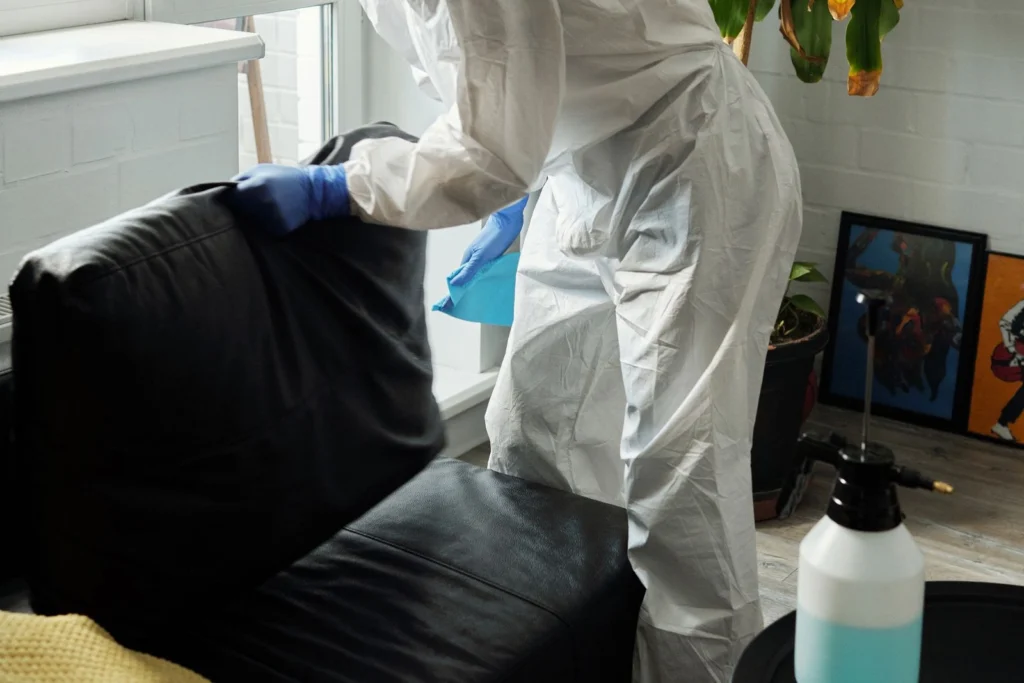
Crews arrive in personal protective equipment (PPE), seal the area with plastic sheeting and set up HEPA air scrubbers under negative air pressure, so contaminated air is filtered instead of drifting into the rest of the house.
02
Standing water, sewage and solids are pumped and extracted, and the waste is bagged and disposed of properly.
03
Carpet and pad, wet drywall and insulation, baseboards and other porous materials are torn out and bagged. Drywall gets a flood cut, a straight cut above the highest wet point. Everything is photographed and listed before it leaves the house.
04
Hard surfaces, the slab and the wall framing are cleaned first, then treated with an EPA-registered disinfectant, left on for the time the label requires. An antimicrobial is applied to framing and subfloor where needed.
05
Air movers and dehumidifiers dry the framing and slab, with moisture meter readings taken each day. Fast drying keeps mold from starting on wet framing, which can happen within 24 to 48 hours. Odor is treated after the source is gone.
06
Once readings confirm the structure is dry, drywall, baseboards and flooring are replaced.
Removal and disinfection usually take one to two days. Drying takes another three to five days, depending on how far the water spread.
Every job is assessed on site, but these are the usual outcomes for building materials and contents after contact with sewage.
Don’t throw anything out before it has been photographed. Your adjuster will want to see it.
Insurance
Many California homeowners policies don’t cover water that backs up through a sewer or drain unless you added a water backup or sewer backup endorsement. Check your declarations page for one of those terms, or ask your agent.
If the backup started in the district’s main line, report it to your water district as well. Either way, the claim depends on documentation: photos before anything is moved, a record of every material torn out, moisture readings and a written scope of work. Crews keep all of it and can work with your adjuster directly.
This is general information, not insurance advice. Your policy wording decides what is covered.

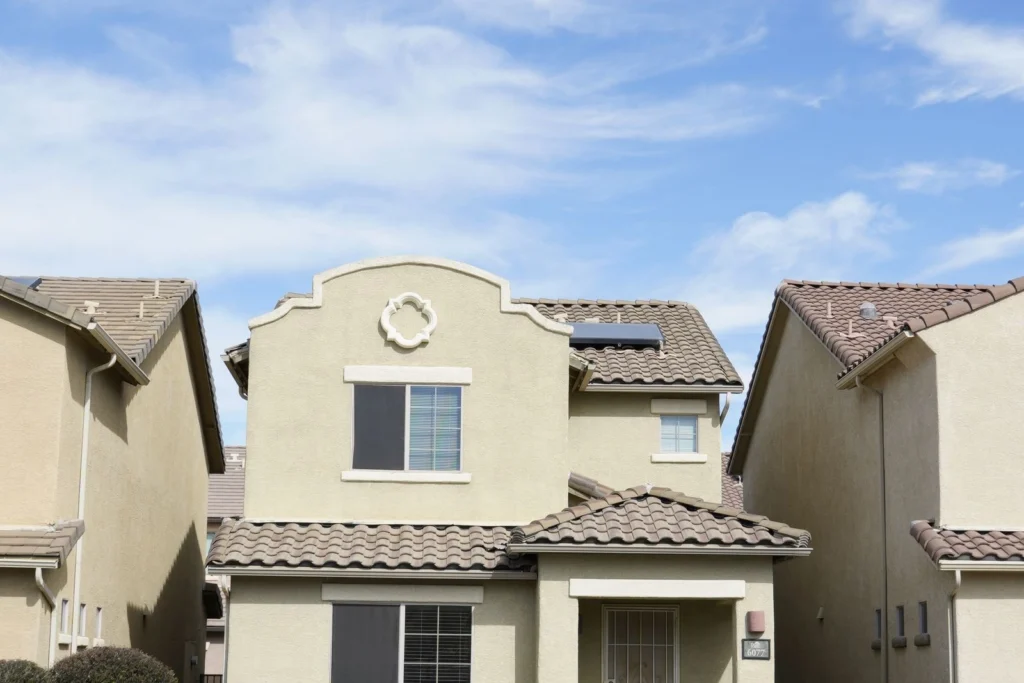
We work only in Murrieta’s 92562 and 92563 ZIP codes, from Historic Downtown to Greer Ranch and Murrieta Hot Springs. Crews are based in Murrieta, not dispatched from elsewhere in Riverside County. In slab-built tract homes, a backup usually starts in a ground-floor bathroom or a garage laundry and spreads under carpet and along walls.
In condos, apartments and shared buildings, one blocked line can affect several units at once. Offices, shops and restaurants need cleanup planned around health rules and business hours.
Questions answered
The questions we hear most about sewage backups.
Usually not. A plumber clears the blockage so the line drains again. Removing contaminated materials, sanitizing, disinfecting and drying the structure is restoration work, and it is a separate job.
A small overflow that stayed on tile can be cleaned and disinfected by hand with gloves and good ventilation. Once sewage has reached carpet, drywall or anything porous, household disinfectants can’t make it safe, because they don’t reach what soaked in. Those materials have to come out.
It depends on how far the sewage spread, how much material has to be removed, how many days drying takes and how much has to be rebuilt. You get a written scope before work begins.
Removal and disinfection usually take one to two days, and drying another three to five. Rebuilding starts once readings confirm the structure is dry.
By removing its source. The smell lingers as long as contaminated material is still in the house, so odor treatment comes after removal, disinfection and drying, not instead of them. If it comes back, something wet or contaminated was missed.
Sewage rises through the lowest drain in the house. In a slab home that is usually a ground-floor shower or tub, which is why it shows up there before anywhere else. It points to a blockage in the main line, not in that one fixture.
The longer sewage sits, the more has to be torn out. Call (951) 364-1418 any time, day or night.
Murrieta Flood Damage
41690 Ivy St, Murrieta, CA 92562
Open 24/7