Is It Safe to Stay in a House With Water Damage?
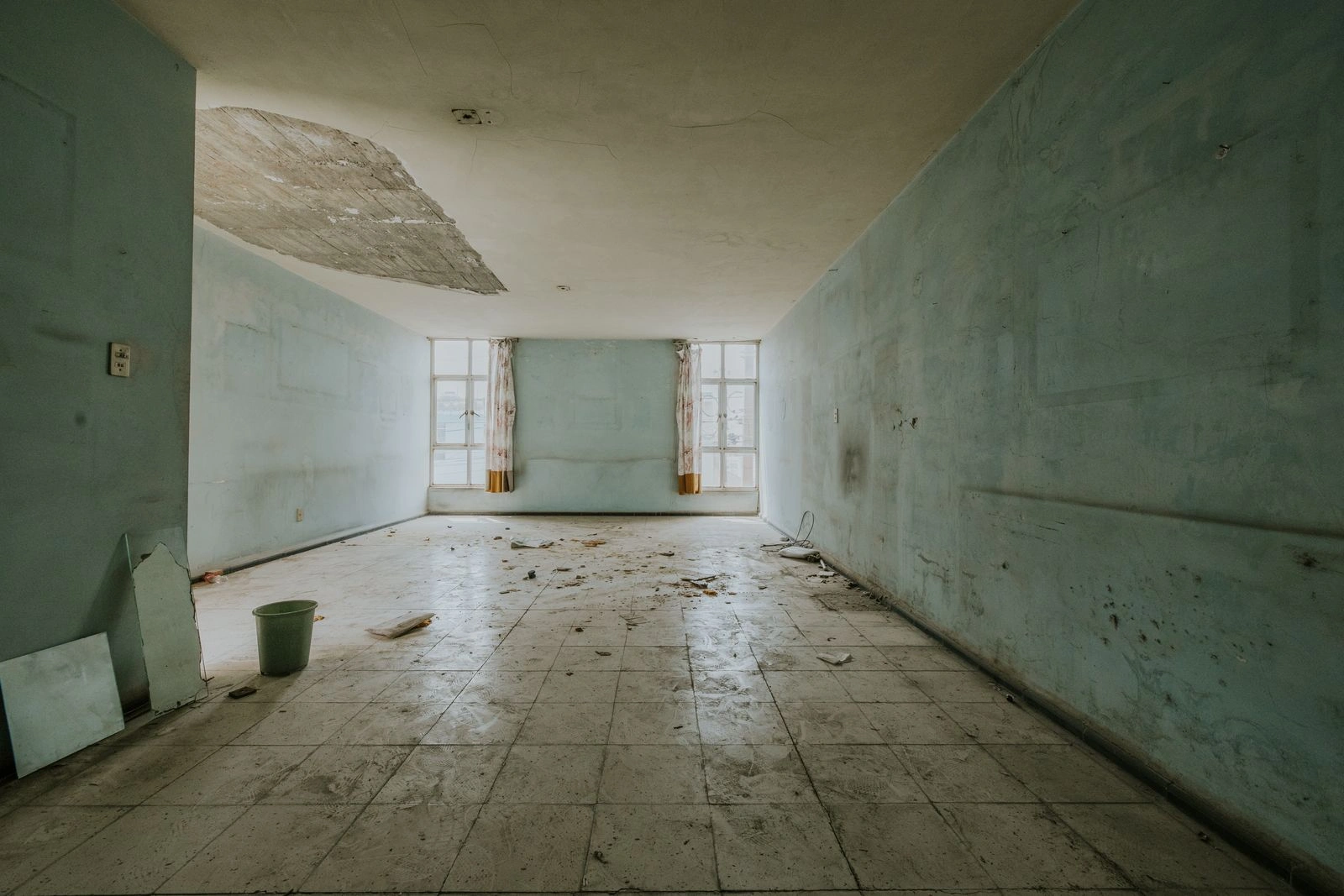
Staying home during water damage cleanup is often fine when the water was clean, the electrical system is dry, the damage is limited to a room or two, and nobody in the home is especially vulnerable to mold. It isn’t safe when water has reached outlets or the electrical panel, a ceiling or floor is sagging, the water is sewage or floodwater, or you smell gas. The type of water is the first thing to know.
Key takeaways
- Clean-water leaks that are dried quickly usually don’t require leaving. Sewage and floodwater make the affected area unsafe until it is cleaned.
- Never touch switches, breakers or appliances while standing in water.
- A sagging ceiling or floor is a collapse risk. Stay out from under it.
- Homeowners policies typically include loss of use coverage if a covered loss makes the home unlivable.
Start with the type of water
Water damage professionals sort water into three categories. Clean water from a supply line or tank (Category 1) is not a health hazard by itself. Gray water from a washing machine or a toilet overflow with urine (Category 2) can make people sick. Sewage and creek floodwater (Category 3) carry bacteria and viruses.
Water also gets worse with time. University guidelines based on the IICRC standard note that Category 2 water not removed promptly may be reclassified as Category 3. Fast extraction keeps a livable situation from becoming an unlivable one.
Electrical and gas hazards
The CDC warns never to turn power on or off yourself or use an electric tool or appliance while standing in water. If water reached outlets, the panel or appliances, have an electrician check the system before power goes back on. If you smell gas, the CDC advises turning off the main gas valve if you can, opening windows and leaving immediately.
The U.S. Consumer Product Safety Commission says circuit breakers, GFCIs and fuses that have been under water should be replaced, and submerged gas control valves must be replaced. The Electrical Safety Foundation adds that water-damaged electrical equipment can pose long-term fire risk even after it dries.
Water damage right now?
We answer 24 hours a day, 7 days a week, across Murrieta 92562 and 92563.
Call (951) 364-1418Structural warning signs
The American Red Cross points out that a sagging ceiling means it got wet, which makes it heavy and dangerous, and that a sagging floor could collapse under your weight. Other signs that an area should be closed off until it is checked:
- Soft or spongy spots in the floor
- Ceiling drywall that is bulging, cracked or dripping
- New cracks in walls, or doors that suddenly stick
- Water pooling above light fixtures or ceiling fans
Mold, air quality and the HVAC system
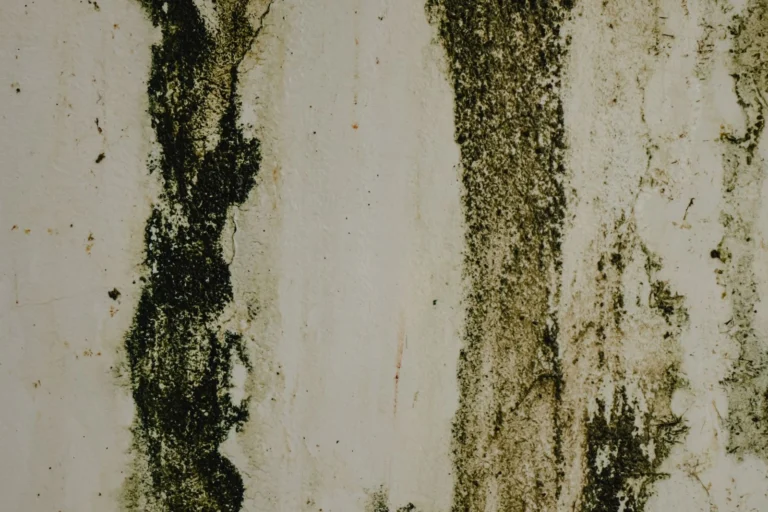
According to the CDC, mold can cause stuffy noses, coughing, wheezing and skin or eye irritation, and people with asthma or allergies can react severely. People with weakened immune systems or chronic lung disease can develop lung infections. If anyone in the home is in one of those groups, staying elsewhere during cleanup may be the safer choice.
EPA advises not running the HVAC system if you know or suspect it is contaminated with mold, because it can spread spores through the house. If water reached ductwork or the air handler, have it checked before running heat or air conditioning.
If you stay during cleanup
- Keep children and pets out of wet and work areas, especially where water was contaminated.
- Close off the affected rooms. For contaminated jobs, crews set up plastic sheeting as containment.
- Move belongings out of the wet area to a dry room, and keep photos of anything damaged for the claim.
- Leave drying equipment running day and night. Dehumidifiers are loud; manufacturer specifications for a common large unit list about 70 decibels, so rooms right next to the drying area can be hard to sleep in.
- Plan around rooms you lose. If the only bathroom or the kitchen is being dried or rebuilt, staying may not be practical even if it is safe.
When to leave the house
- You smell gas.
- Water has reached the electrical panel, outlets or wiring and the power can’t be safely shut off.
- A ceiling or floor is sagging.
- Sewage or floodwater is inside living areas.
- Someone in the home has asthma, a mold allergy or a weakened immune system and mold is present.
- The damage is severe enough that a building inspector should examine the home before re-entry.
How long water takes to cause structural damage
There is no fixed timeline. Drywall and insulation weaken quickly when soaked, and university guidelines call for replacing drywall when drying doesn’t start within 48 hours. Wood is different: U.S. Forest Service research notes decay fungi need wood moisture above fiber saturation, and wood that is wetted only briefly and intermittently won’t decay. Rot in subfloors and framing usually comes from long-running leaks, not a single event that is dried quickly.
Insurance and living expenses
When your home isn’t livable because of a covered loss, homeowners policies typically include additional living expense coverage, also called loss of use. The California Department of Insurance says it can include housing, food, extra transportation and storage, and advises keeping all bills and receipts. The Insurance Information Institute reports the average water damage and freezing claim was about $15,400 from 2019 to 2023, which gives a sense of how large these repairs get.
Staying home during water damage in Murrieta
In Murrieta
Clean-water losses such as a failed supply line or water heater are the most common cases where families can stay while equipment runs. Sewage backups and creek floodwater are the cases where staying elsewhere is usually the better choice. Murrieta Creek is the focus of a flood control project by the U.S. Army Corps of Engineers, Riverside County Flood Control and the cities of Murrieta and Temecula, after major flooding in 1993.
Water damage safety FAQs
Is water damage dangerous?
It can be. The main risks are electrical shock, sagging ceilings or floors, contamination from sewage or floodwater, and mold for sensitive people.
Can I sleep in my house with drying equipment running?
Usually, yes, if the water was clean and the electrical system is safe. The equipment is noisy and should keep running overnight.
How long does it take for a floor to rot from water damage?
There is no set time. Wood decays only when it stays wet above fiber saturation for a long period, which is why fast drying prevents rot.
How expensive is it to fix water damage in a house?
It varies with the type of water and how much material is wet. The Insurance Information Institute puts the average water damage and freezing claim at about $15,400 for 2019 to 2023.
Does insurance pay for a hotel during water damage repairs?
If the home isn’t livable because of a covered loss, additional living expense coverage can pay for housing, food and related costs. Keep receipts.
Not sure if your home is safe?
A technician can check it on the first visit. Call any time, day or night.
Call (951) 364-1418