Water Mitigation vs. Water Restoration: What’s the Difference?
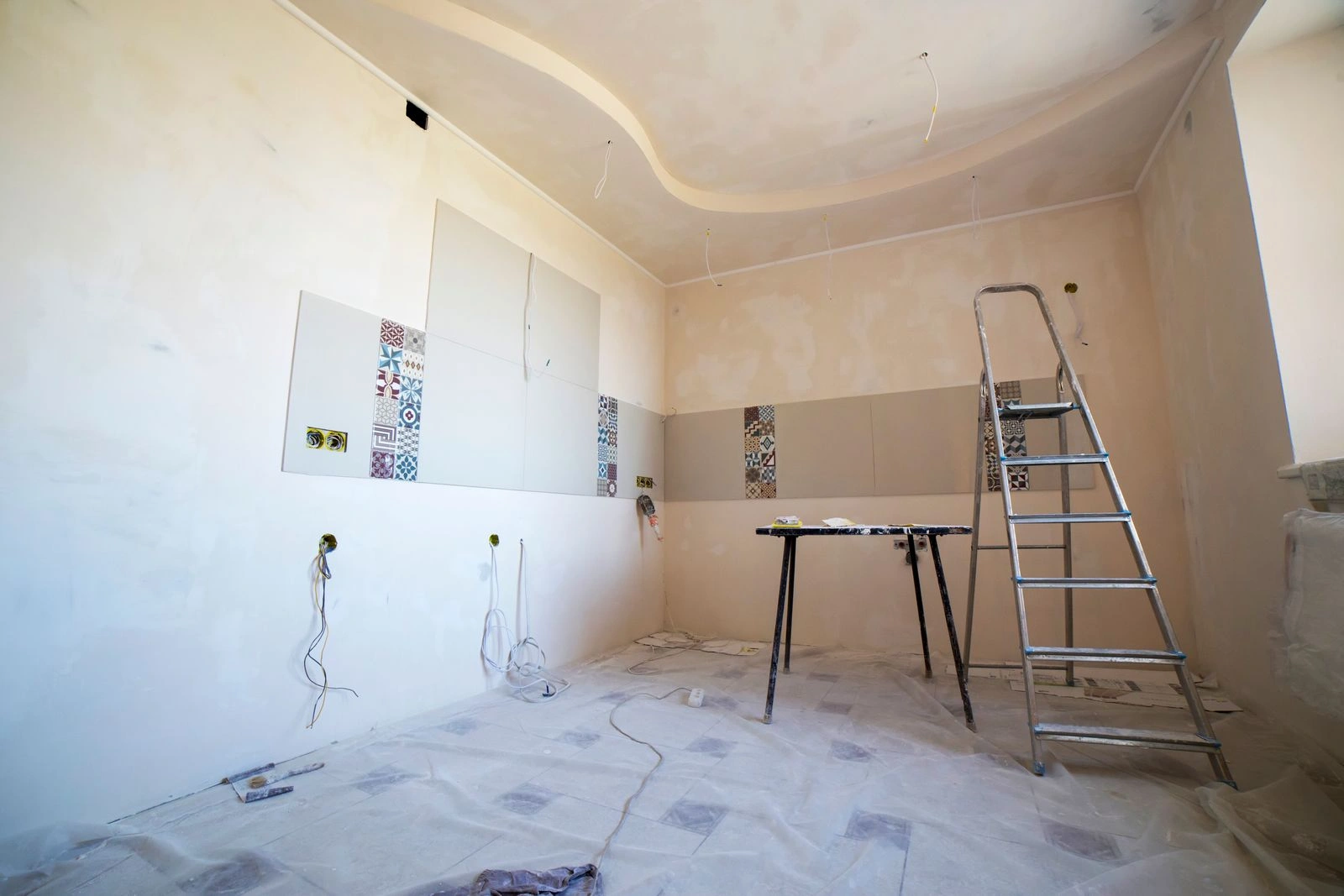
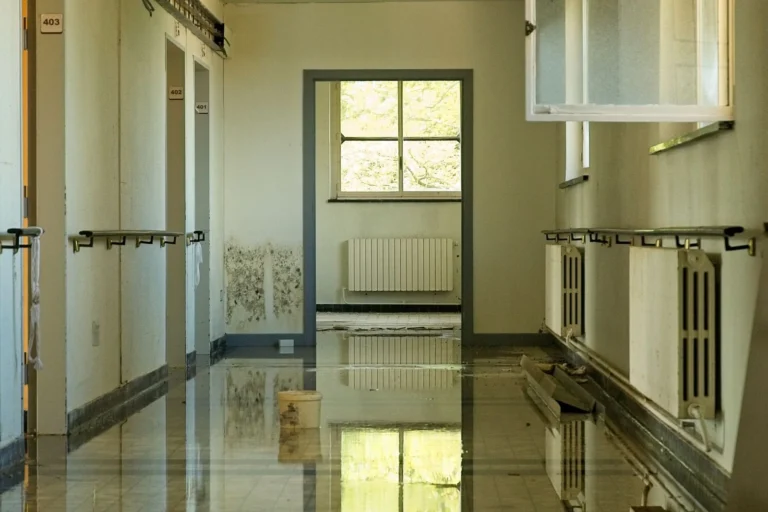
Water mitigation is the work that stops water damage from spreading: inspecting the loss, removing the water, taking out what can’t be saved, cleaning and drying the structure. Water restoration is the reconstruction that returns the home to its pre-loss condition afterward. Mitigation comes first and is time-critical. Restoration starts once the structure is confirmed dry.
Key takeaways
- Mitigation is inspection, extraction, selective demolition, cleaning and structural drying. Restoration is drywall, paint, flooring, cabinets and trim.
- Mitigation is urgent because EPA advises drying water-damaged materials within 24 to 48 hours to prevent mold.
- California’s Department of Insurance says insurers reimburse reasonable costs to protect your property, so keep receipts and records.
- California regulations say an insurer can’t require you to have repairs done by a specific company.
What water mitigation includes
- Inspection. Confirm the source is stopped, set the category and class of the water, and map how far it spread with a moisture meter. EPA recommends moisture meters for measuring moisture in building materials.
- Extraction. Remove standing water from floors, carpet and pad with pumps and extraction equipment.
- Contents. Move or protect furniture and belongings.
- Selective demolition. Remove only what can’t be dried or is contaminated, such as soaked pad, swollen baseboards, wet insulation or drywall touched by sewage.
- Cleaning and sanitizing. After Category 2 or 3 water, clean first and then disinfect. EPA notes disinfectants don’t work well unless dirt is cleaned up first.
- Structural drying. Set air movers and dehumidifiers and take readings every day until materials reach their dry standard.
With contaminated water, EPA advises not running fans until the water is confirmed clean or sanitary, so cleanup comes before drying.
What water restoration includes
Restoration, also called reconstruction or rebuild, puts back what mitigation removed or what the water ruined:
- Hanging, taping and texturing new drywall
- Painting walls and ceilings
- Replacing flooring, baseboards and trim
- Repairing or replacing cabinets and vanities
- Reinstalling insulation
It should wait until readings confirm the structure is dry. EPA flood guidance says materials should read 15 percent moisture or less to be ready for refinishing. University guidelines based on the IICRC standard compare wet materials with unaffected ones, for example drywall within 10 percent and hardwood within 2.5 percent of normal readings.
Water damage right now?
We answer 24 hours a day, 7 days a week, across Murrieta 92562 and 92563.
Call (951) 364-1418Why mitigation can’t wait
EPA advises drying water-damaged areas and items within 24 to 48 hours to prevent mold growth, and notes that mold can grow on wood, drywall, carpet and furniture that stay wet for more than 24 hours.
Every hour water sits, it wicks higher into walls and deeper into floors, which turns a drying job into a tear-out job. Mitigation is what keeps restoration small.
Common misconceptions
- “It will dry on its own.” Surfaces dry fast, but water under flooring, inside wall cavities and in insulation can stay wet for weeks without equipment.
- “Fans are enough.” Fans move air but don’t remove moisture from it. Dehumidifiers do that, and fans shouldn’t run at all on contaminated water.
- “Mitigation needs insurance approval first.” California’s Department of Insurance tells policyholders to take reasonable steps to prevent further damage right away and keep the receipts.
How insurance treats mitigation and restoration
The California Department of Insurance says one of the most important things to do after a property loss is make temporary repairs to prevent further damage, and that your insurer will reimburse reasonable costs to protect your property. It warns that a policy may not cover ensuing damage if reasonable steps weren’t taken.
The Department also advises listing damaged items, taking photos or video room by room, keeping receipts, and not making extensive permanent repairs until the adjuster has assessed the damage. In practice, mitigation starts right away and restoration starts after the adjuster has seen it. Mitigation records such as moisture readings and photos support the claim.
Do you need one company or two?
Some companies only do mitigation and hand the rebuild to a contractor. Others do both. One company keeps the moisture records, scope and insurance paperwork in one place, but the choice is yours: California’s Fair Claims Settlement Practices Regulations say no insurer shall require that the insured have the property repaired by a specific individual or entity.
Mitigation and restoration in Murrieta
In Murrieta
Concrete is one of the dense materials the IICRC standard treats as holding water deeply, so homes built on slabs can need extra drying time before restoration starts. In two-story homes, an upstairs leak means mitigation on two levels: the floor where it started and the ceiling below.
Water mitigation vs. restoration FAQs
Are water mitigation and restoration the same thing?
No. Mitigation stops the damage by removing water and drying the structure. Restoration repairs and rebuilds what was damaged.
How much does water mitigation cost?
It depends on the size of the wet area, the category and class of water and how many days drying takes. A Category 3 or Class 3 loss costs much more than a small clean-water leak.
Does insurance pay for water mitigation?
When the water damage is covered, mitigation is normally part of the claim. California’s Department of Insurance says insurers reimburse reasonable costs to protect your property, so keep receipts.
Is water mitigation really necessary?
For anything more than a small spill on a hard floor, yes. Water left in walls, subfloor or carpet pad leads to mold, odor and much larger repairs.
Can I do water mitigation myself?
You can stop the source, move belongings and mop up a small clean-water spill. Extraction, removing wet materials and confirming the structure is dry with a moisture meter usually need professional equipment.
Need water removed and dried now?
Mitigation starts on the first visit. Call any time, day or night.
Call (951) 364-1418