How Long Does It Take Mold to Grow After Water Damage?
The U.S. Environmental Protection Agency advises drying water-damaged areas and items within 24 to 48 hours to prevent mold growth. Mold can start growing about a day after materials stay wet, but there is no exact clock: some materials dried within 48 hours still grow mold, and some don’t grow it for days. How wet the material got and how long it stays wet matter more than the hour count.
Key takeaways
- EPA’s guidance is to dry water-damaged areas within 24 to 48 hours to prevent mold.
- Mold needs moisture and food, such as the paper on drywall, wood, carpet and fabric.
- A musty odor and discoloration are usually the first signs, often before mold is visible.
- Areas smaller than about 10 square feet can usually be cleaned by the homeowner, unless sewage was involved.
What happens after a leak, day by day
- First 24 hours: water soaks into carpet pad, drywall, baseboards and subfloor and wicks up walls. A UC Riverside mold plan notes that mold hyphae, the thread-like structures mold grows from, may begin growing 24 hours after moisture reaches growth potential.
- 24 to 48 hours: this is EPA’s drying window. EPA’s flood guidance notes mold can grow on wood, drywall, carpet and furniture that stay wet for more than 24 hours.
- 2 to 3 days: Nebraska Extension, citing LSU AgCenter, says mold grows on materials that stay damp for more than two to three days. UC Riverside’s plan calls for removing drywall and insulation that stay wet for more than 72 hours.
- After that: growth spreads across and into damp materials, a musty odor develops, and colonies become visible on surfaces. Long-term wetness can also lead to wood decay in framing and subfloors.
EPA cautions that the 24-to-48-hour window is a guideline. Moisture readings, not the clock, show when the risk is over.
What mold needs to grow
According to EPA, mold needs moisture and food to grow indoors, and moisture is the most important factor. Food is everywhere in a home: the paper facing on drywall, wood framing and subfloor, cabinets, carpet, fabric and cardboard. Mold doesn’t need standing water; a little condensation can be enough. EPA’s mold course notes that in most cases temperature is not an issue, because different molds grow in warm or cool conditions.
Water damage right now?
We answer 24 hours a day, 7 days a week, across Murrieta 92562 and 92563.
Call (951) 364-1418What speeds mold up after a leak
- Water trapped behind baseboards, under flooring, in the subfloor or inside wall cavities, where it can’t evaporate
- Wet insulation, which holds water against framing and drywall
- Indoor humidity above 60 percent. EPA recommends keeping it below 60 percent, ideally 30 to 50 percent
- Contaminated water, such as sewage, which carries organic material
What to do in the first hours
- Stop the source of the water.
- Remove standing water and move wet rugs, boxes and furniture out of the area.
- Run dehumidifiers and open windows when outdoor air is drier. Don’t run fans if the water may be contaminated; EPA advises against it until the water is confirmed sanitary.
- Find hidden moisture. A moisture meter or thermal imaging camera shows wet drywall, flooring and framing that look dry on the surface.
- Remove what can’t be dried quickly, such as soaked carpet pad and insulation.
Early signs mold has started
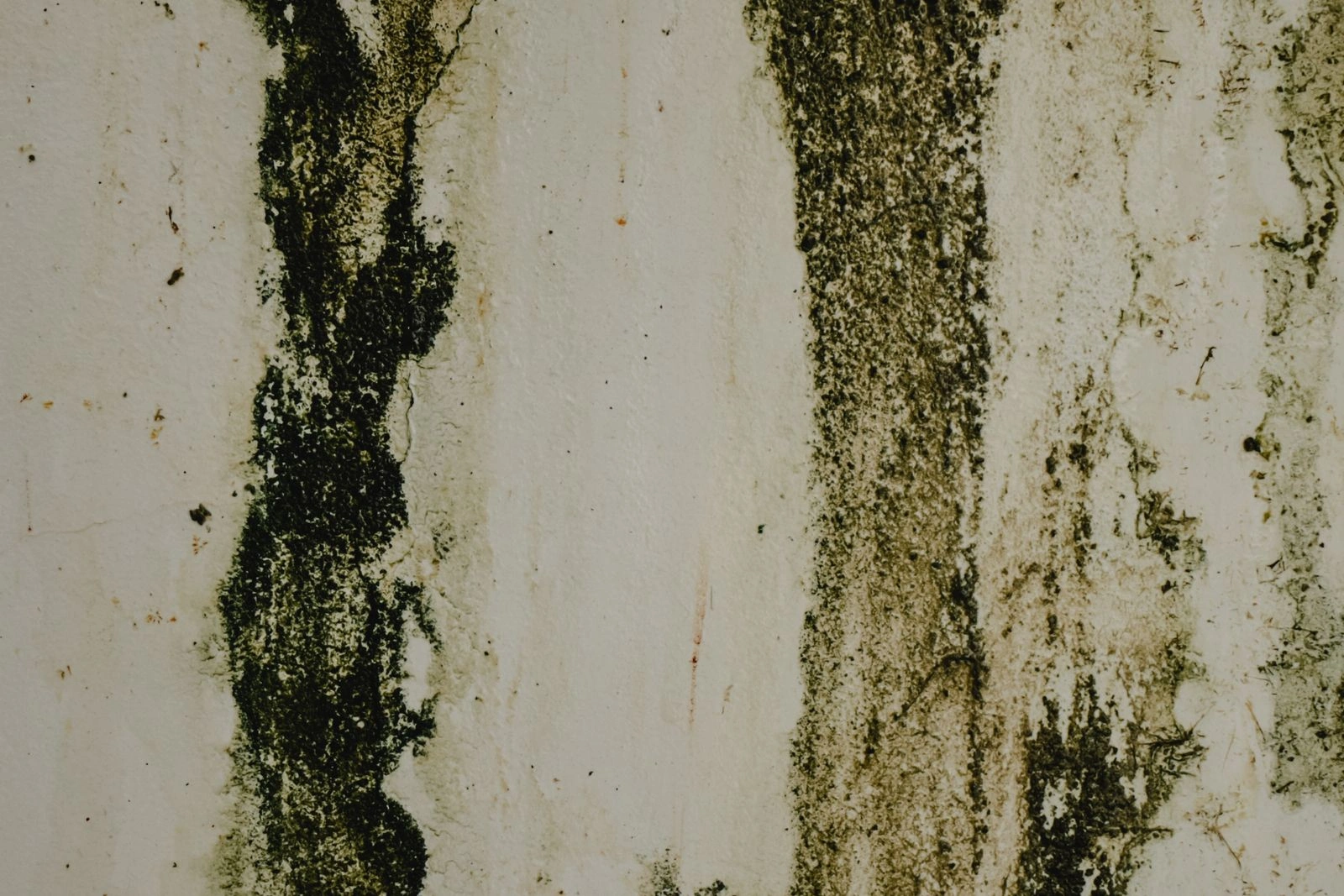
- A musty, earthy odor, often noticed before anything is visible
- Spots or discoloration on drywall, baseboards, ceilings or grout
- Bubbling paint or warped materials in an area that was wet
- Allergy-like symptoms that improve when you leave the house
Can you clean mold yourself?
EPA says that if the moldy area is less than about 10 square feet, you can generally handle it yourself. Scrub mold off hard surfaces with detergent and water and dry them completely. Absorbent materials such as ceiling tiles and carpet may have to be thrown away. EPA’s guidance is not to paint or caulk over moldy surfaces.
EPA does not recommend biocides or bleach as a routine part of mold cleanup, and bleach must never be mixed with ammonia. Call a professional when the mold covers more than about 10 square feet, when the water came from sewage, or when mold may be inside walls or the HVAC system.
How professional mold remediation works
EPA’s remediation guide sets the steps by size. Areas of about 10 to 100 square feet call for limited containment, and areas over 100 square feet call for full containment, using plastic sheeting to keep spores out of the rest of the building. Crews wear at least an N-95 respirator, gloves and eye protection, remove moldy porous materials, clean hard surfaces, and use HEPA vacuums for final cleanup. The moisture problem is fixed and the area dried so the mold doesn’t return.
Health effects of mold
The CDC says mold can cause a stuffy nose, sore throat, coughing or wheezing, burning eyes or skin rash in some people. People with asthma or mold allergies can have severe reactions, and people with weakened immune systems or chronic lung disease can get lung infections.
For hypersensitivity pneumonitis, a lung reaction that can follow repeated exposure, CDC’s NIOSH notes symptoms may improve within hours or days away from the source, while continued exposure could lead to permanent lung damage. Anyone with ongoing symptoms should see a doctor.
Mold after water damage in Murrieta
In Murrieta
Murrieta’s dry air can make a floor look dry within a day while slab, baseboards and wall cavities stay wet underneath, so readings matter more than appearance. Many homes have HVAC ducts and equipment in the attic, a long-standing building practice the U.S. Department of Energy describes, so a condensate leak can wet ceiling drywall and insulation where nobody sees it.
Mold and water damage FAQs
How quickly can mold grow after water damage?
EPA advises drying within 24 to 48 hours to prevent mold, and notes mold can grow on materials that stay wet for more than 24 hours. Timing varies with the material and conditions.
What are the first signs of mold?
A musty smell, spots or discoloration on walls or ceilings, and for some people symptoms such as a stuffy nose, coughing or itchy eyes.
What kills mold from water damage?
On hard surfaces, EPA recommends scrubbing with detergent and water and drying completely. Moldy porous materials may need to be thrown away. Bleach is not recommended as a routine part of cleanup.
Do lungs heal after mold exposure?
For many people symptoms ease once exposure ends. CDC’s NIOSH notes that continued exposure in some lung conditions can cause permanent damage, so ongoing symptoms need a doctor.
Does insurance cover mold from a water leak?
The California Department of Insurance notes mold is usually excluded, but mold resulting from a covered peril, such as a sudden burst pipe, may be covered.
Racing the 48-hour window?
Fast drying is the best mold prevention. Call any time, day or night.
Call (951) 364-1418